
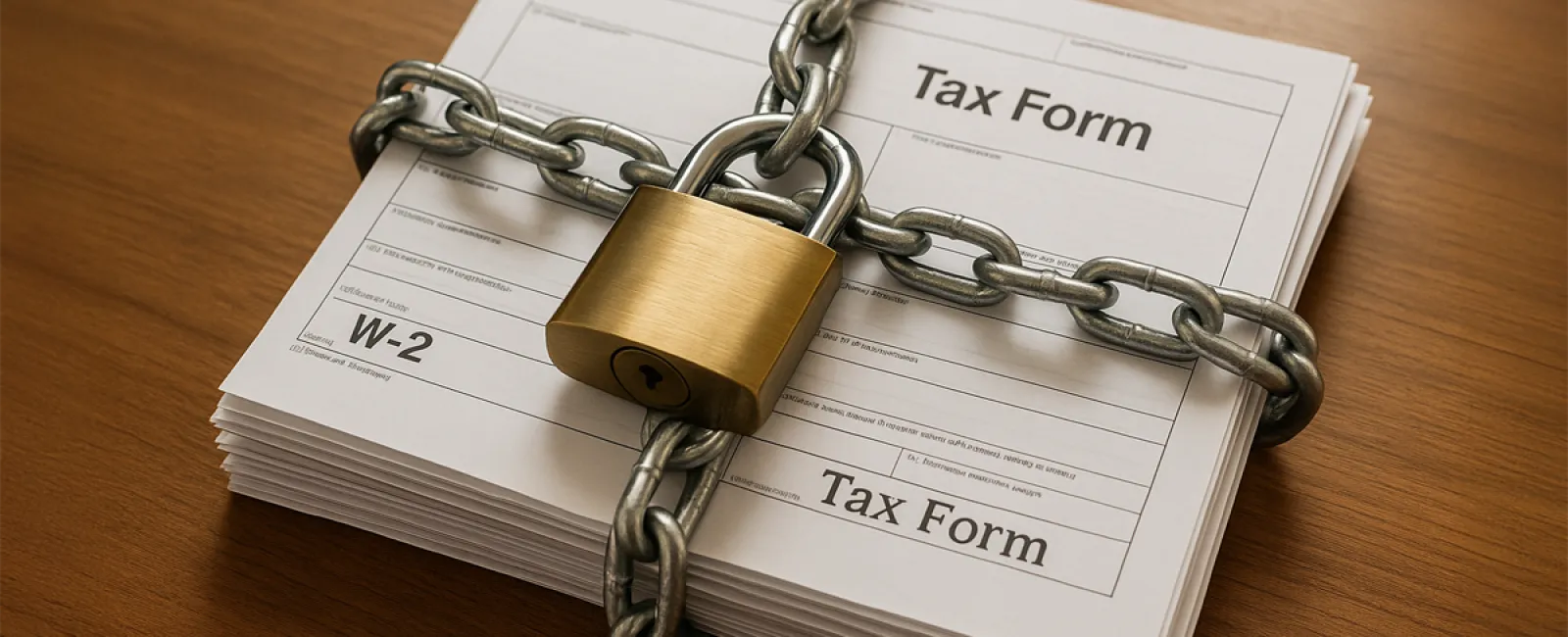
February is here, and tax season is in full swing. Your accountant's workload is increasing, and your bookkeeper is meticulously gathering documents. Everyone is focused on W-2s, 1099s, and looming deadlines.
But there's a critical issue that rarely makes it onto the calendar—the first major tax season challenge isn't a tax form; it's a fraud attempt.
This scam often arrives before April, targeting small businesses with believable tactics. It might already be lurking in someone's inbox.
Understanding the W-2 Scam: A Breakdown
Here's how the scam unfolds:
An employee responsible for payroll or HR receives an email seemingly from the CEO, owner, or a top executive.
The email is brief and urgent:
"I need copies of all employee W-2s for a meeting with the accountant. Please send them ASAP—I'm swamped today."
The message appears authentic. The tone matches a busy tax season, making the request seem normal and pressing.
The employee complies and shares the W-2 forms.
However, the email was never from the CEO; it originated from a fraudster using a spoofed email address or nearly identical domain.
Consequently, the scammer now holds:
• Full legal names of employees
• Social Security numbers
• Home addresses
• Salary details
This information is enough to fuel identity theft and submit false tax returns ahead of your employees.
Aftermath: What to Expect
Typically, victims discover the fraud when:
An employee files their tax return but it's rejected with the message "Return already filed for this Social Security number."
Someone else has already filed a return in their name and collected the refund.
Your employee then faces IRS complications, credit monitoring needs, identity theft protection, and a lengthy administrative ordeal—all resulting from a document they unknowingly shared.
Multiply this risk across your entire payroll and imagine the impact on team trust and morale when personal data is exposed due to a single fraudulent email.
This is not only a security issue but also an HR crisis, a potential legal liability, and damaging to your company's reputation.
Why the W-2 Scam Is So Effective
This scam doesn't look suspicious at first glance—it's not a crude "Nigerian prince" email.
It succeeds because:
• The timing aligns perfectly with typical W-2 requests in February, causing little doubt.
• The request itself is reasonable—unlike requests for money or gift cards, it asks for legitimate documents shared in tax season.
• The urgency feels genuine—"I'm slammed today" doesn't trigger alarms amidst a busy office.
• The sender's identity appears credible; scammers research their targets thoroughly to impersonate executives or accountants.
• Employees naturally want to assist their boss, allowing urgency to override normal verification processes.
Steps to Shield Your Business Before the Scam Hits
Fortunately, prevention is straightforward and relies more on culture and policy than solely on technology.
Implement a strict rule: never send W-2s via email, no exceptions. Sensitive payroll documents must remain within secure, approved channels.
Always verify sensitive requests through alternative channels such as a phone call, in-person inquiry, or a trusted chat platform—never by replying to the email. Use existing contact information, not numbers provided in the suspicious email. A quick 30-second check can save months of recovery.
Hold a brief, focused training session on tax season scams with your payroll and HR teams now—don't wait. Make everyone aware of what scams look like and how to respond.
Secure your payroll and HR systems with multi-factor authentication (MFA) to add an essential layer of defense. Even if credentials are compromised, MFA blocks unauthorized access.
Foster a culture where verification is welcomed and employees who double-check requests are encouraged and praised. When vigilance becomes a norm, scammers struggle to succeed.
These five strategies are simple to apply immediately but powerful enough to stop the initial wave of attacks.
The Larger Threat During Tax Season
The W-2 scam is just the beginning.
From now until April, anticipate a surge of tax-related cyber threats, including:
• Fraudulent IRS notices demanding urgent payment
• Phishing emails posing as tax software updates
• Spoofed communications from "accountants" carrying malicious links
• Fake invoices disguised as tax-related expenses
Cybercriminals exploit the distractions and urgency of tax season, making suspicious financial requests seem commonplace.
The businesses that complete tax season without incident aren't lucky—they are prepared with clear policies, staff training, and effective safeguards.
Is Your Business Prepared to Defend?
If you already have strong policies and informed employees, you're ahead of many small businesses.
If not, act now—don't wait for the first fraud incident to occur.
Consider scheduling a 15-minute Tax Season Security Check to review:
• Controls over payroll and HR access including MFA
• Verification protocols for W-2 requests
• Email defense mechanisms against spoofing attacks
• Key policy adjustments many businesses overlook
Click here or give us a call at 252-240-3399 to schedule your free 15-Minute Discovery Call.
After all, tax season is already demanding—don't let identity theft add to your stress.


